In the fall of 2002, a handful of my friends met at Grange Park to discuss the idea of creating a magazine that would focus on local public space and urban design issues. The group spent the next year conceptualizing the magazine, coinciding with me striking out as a freelance graphic designer in March 2003, making Spacing one of my first “clients”.
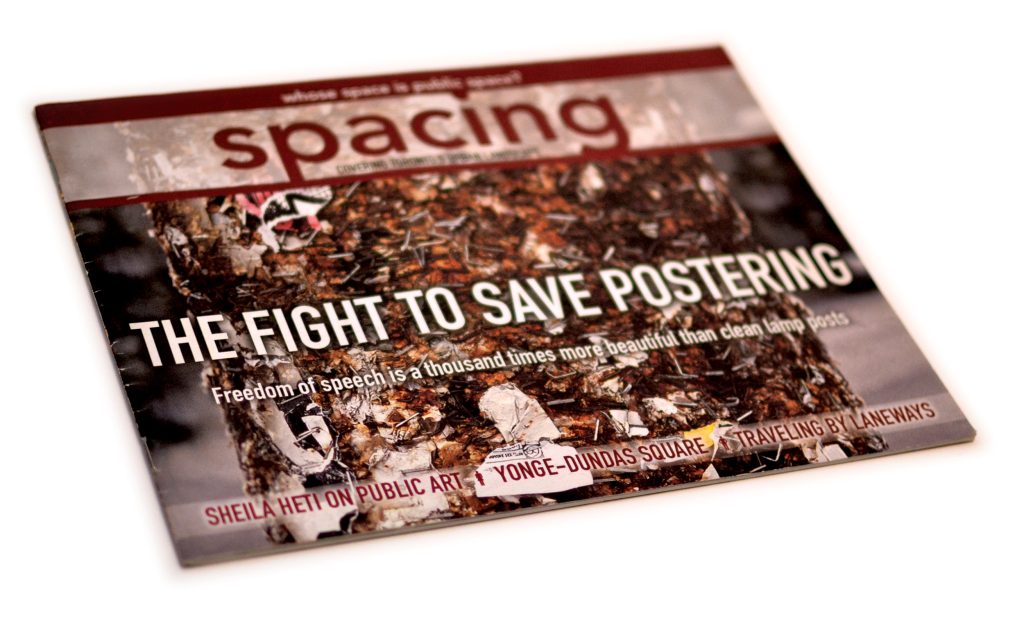
Spacing #1, 2003
In December 2003, Spacing magazine was launched with me in the role of publisher and creative director. Spacing emerged as an integral voice that has helped shape the city’s public realm finding influence with the city’s top bureaucrats, urban planners, political staff, and even the mayor’s office. Initially, the magazine was published bi-annually, switching to three times a year in 2005, and then to a quarterly in 2011 with the addition of a nationally-focused issue.
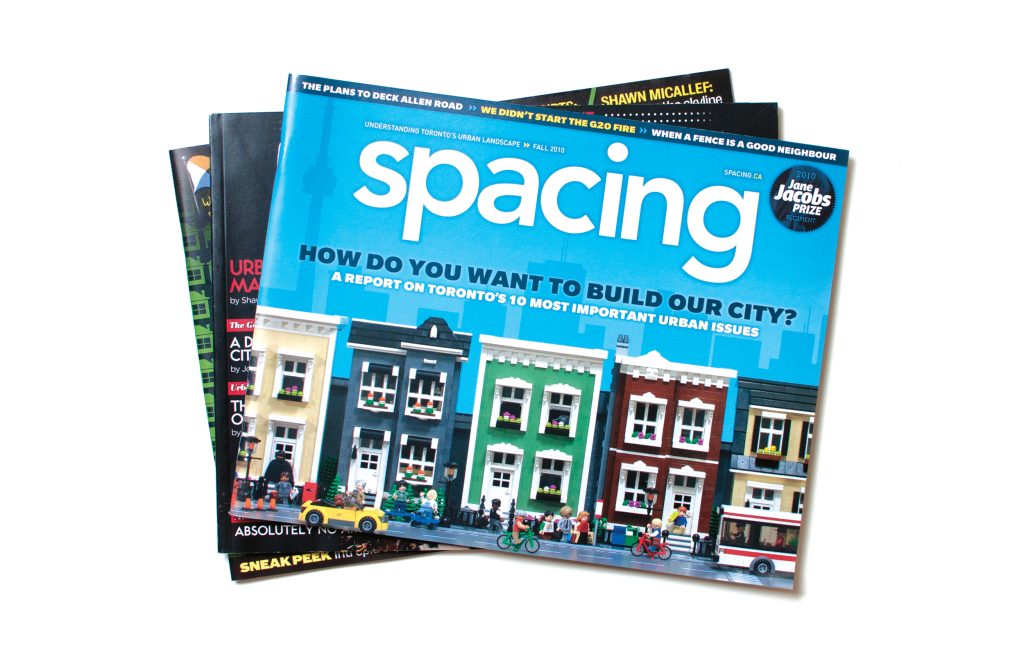
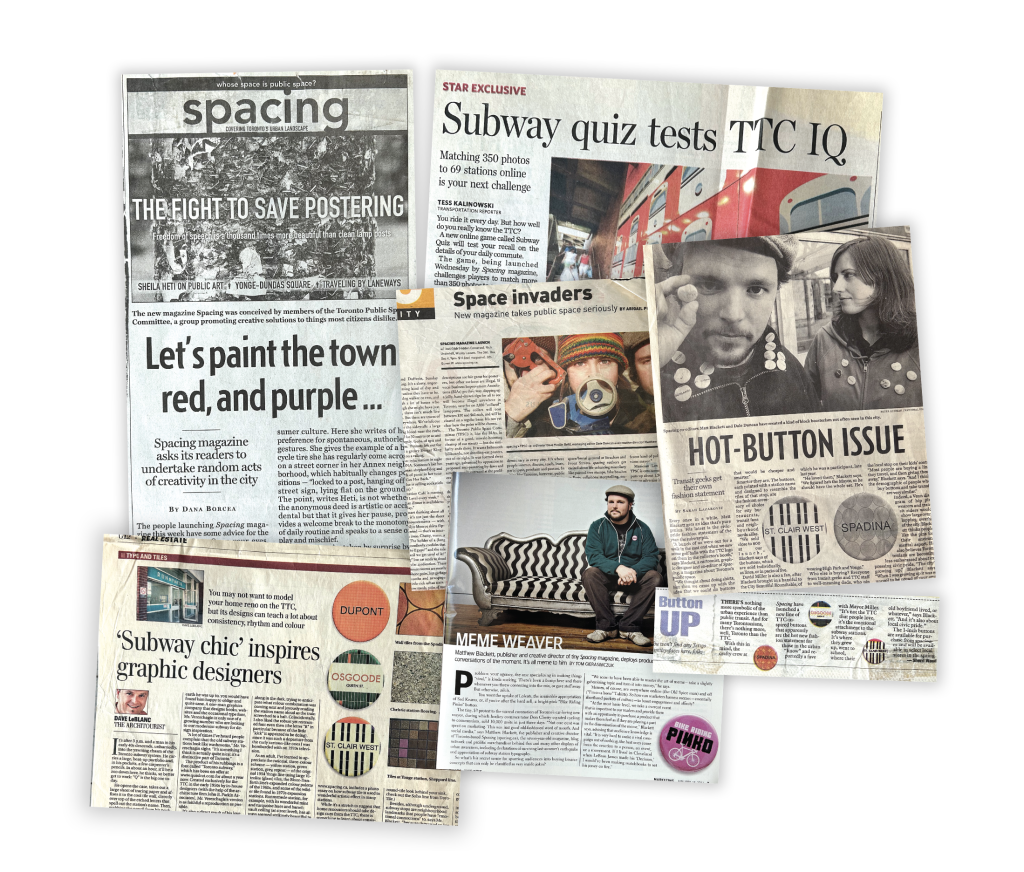
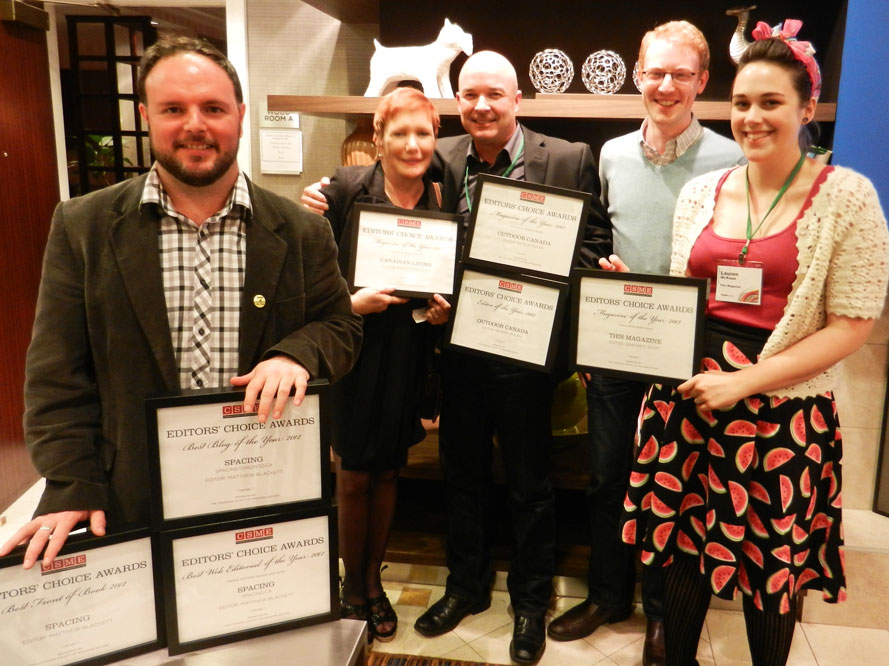
Spacing has been cited as an industry leader and innovator by showcasing a unique business model and outreach strategy unlike any other that exists in Canada. For my role in shaping Spacing into one of Canada’s top small magazines, I’ve received numerous awards, including the Canadian Urban Leadership Award (2007), Editor of the Year (2007), Canadian Small Magazine of the Year six times (2007, 2008, 2009, 2013, 2014, 2015), and Best Canadian Magazine Web Site (2011, 2012, 2013, 2014, 2016). I led the launch of the Spacing Store in 2014, a retail extension of the magazine’s brand. The opening of the shop made Spacing the only consumer magazine in the Canada to operate a bricks-and-mortar shop. Since 2015, Spacing has been publishing books on Toronto.
Layout Format & Covers
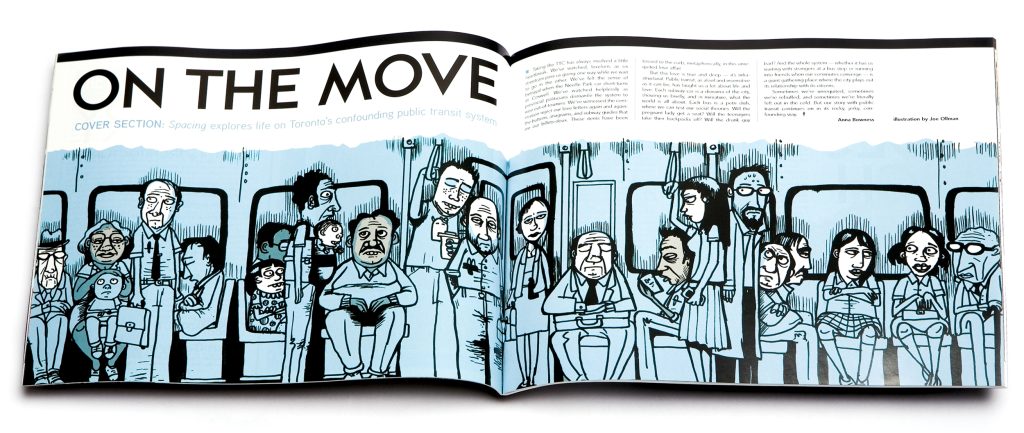
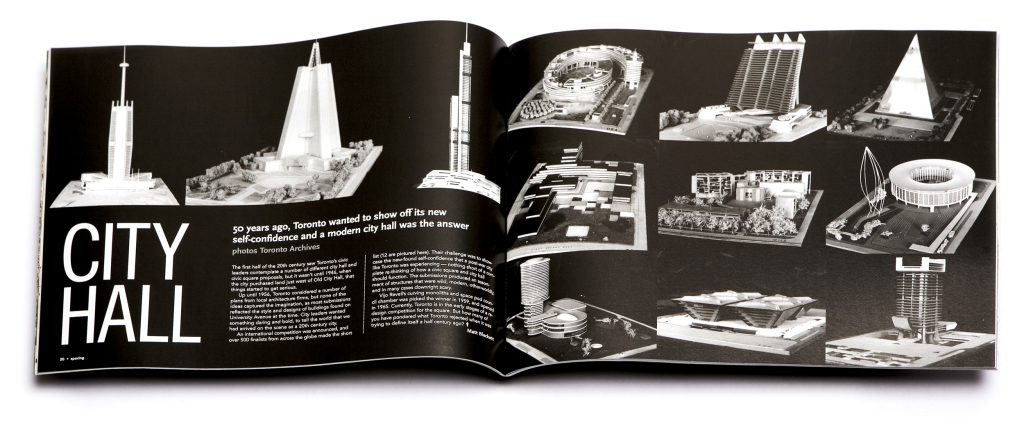
One of the first impressions readers have of Spacing is the landscape orientation of the magazine. After spending years working on newsstand design for sports publications that often used a formulaic approach to layout, I took the opposite tact and literally turned the concept on its side. Having the pages spread out wide reflected both the topic of the magazine (city’s grow much wider than higher) and the need to showcase photos at their best size and shape. While distribution specialists scoffed at the idea of a landscape-format magazine succeeding on the newsstand — portrait-oriented magazines can easily block the view of shorter magazines — Spacing’s unique format forced shop owners to place it on the front of racks which resulted in years of huge, industry-leading sales off the shelves. Creating a distinctive look for the magazine has been a vital element to the magazine’s success.
LEARN ABOUT MATT’S FAVOURITE SPACING COVERS
Advocacy
Spacing was initially a project of the Toronto Public Space Committee, an organization I helped found, that was dedicated to fighting the commercialization of the city’s public realm. The magazine registered as a business after its second issue but remained outspoken on how Toronto’s civic leaders continue to undervalue quality urban design. The magazine has found influence with residents for speaking up for neighbourhood-level concerns; with city planning and transportation staff who seek external voices to help champion new approaches to urban growth; and with political staff and leaders who identified an emerging demographic and generation interested in influencing municipal issues.
Release Parties
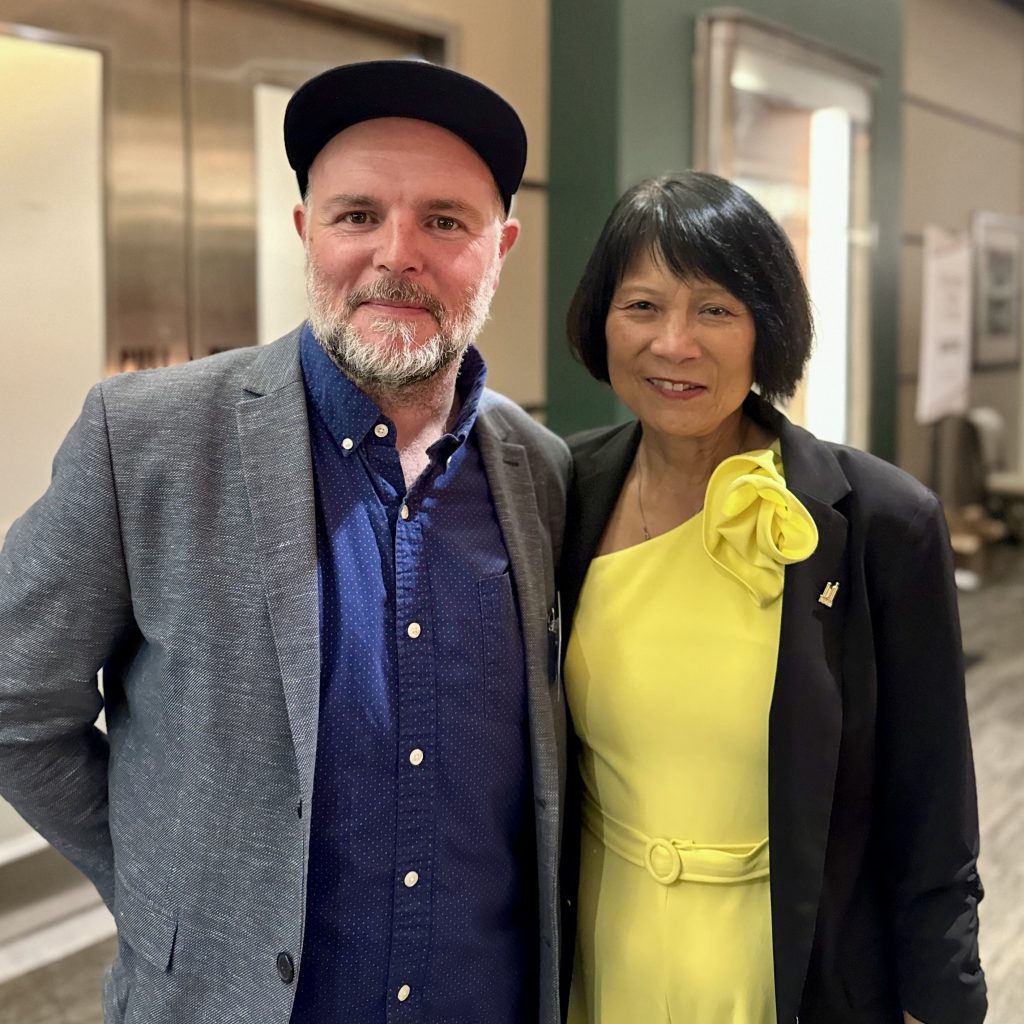
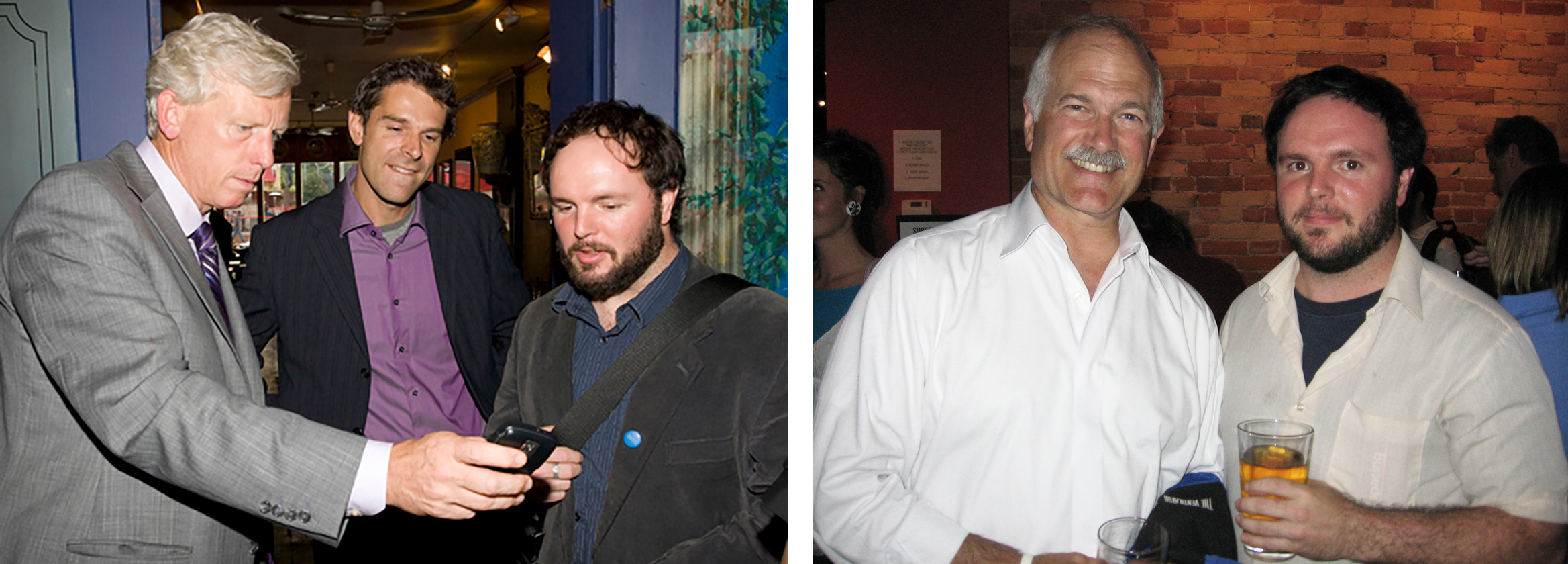
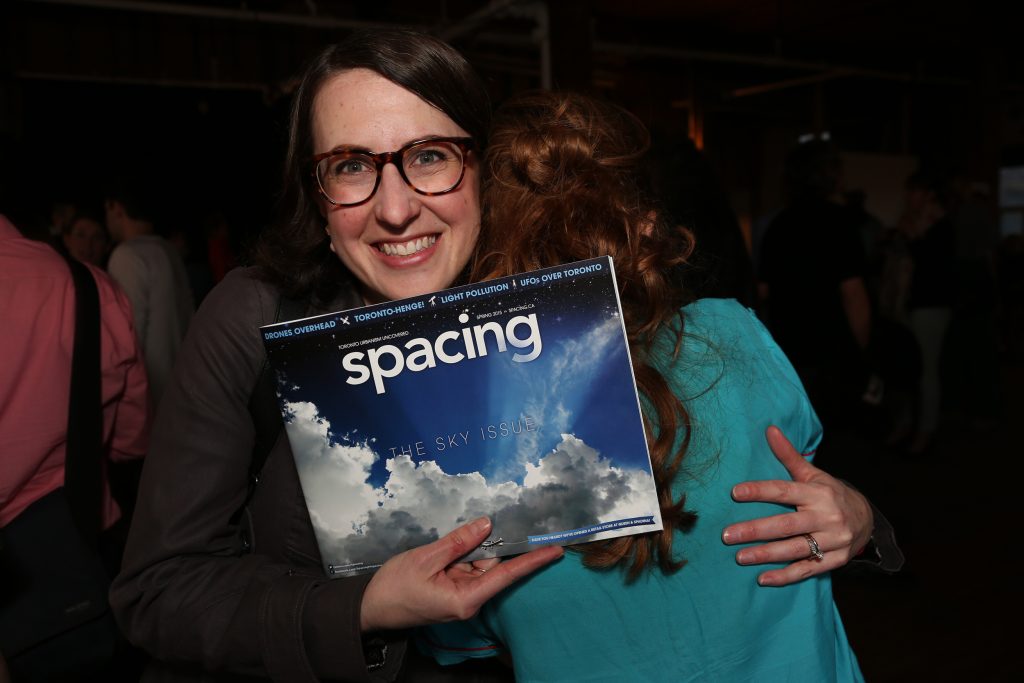
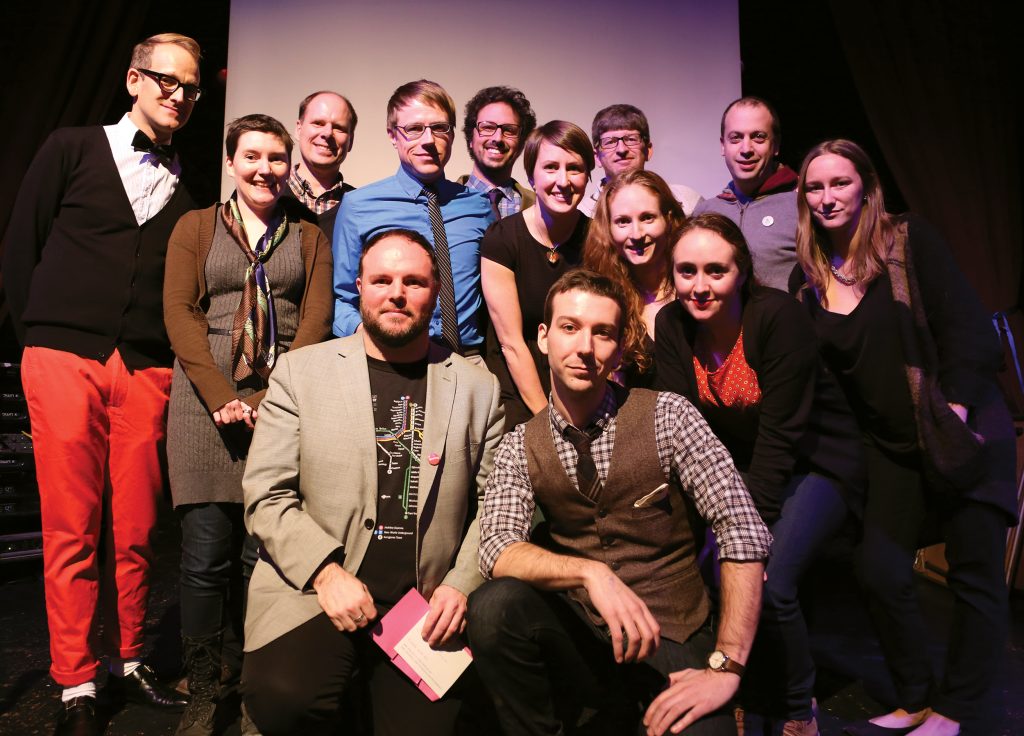
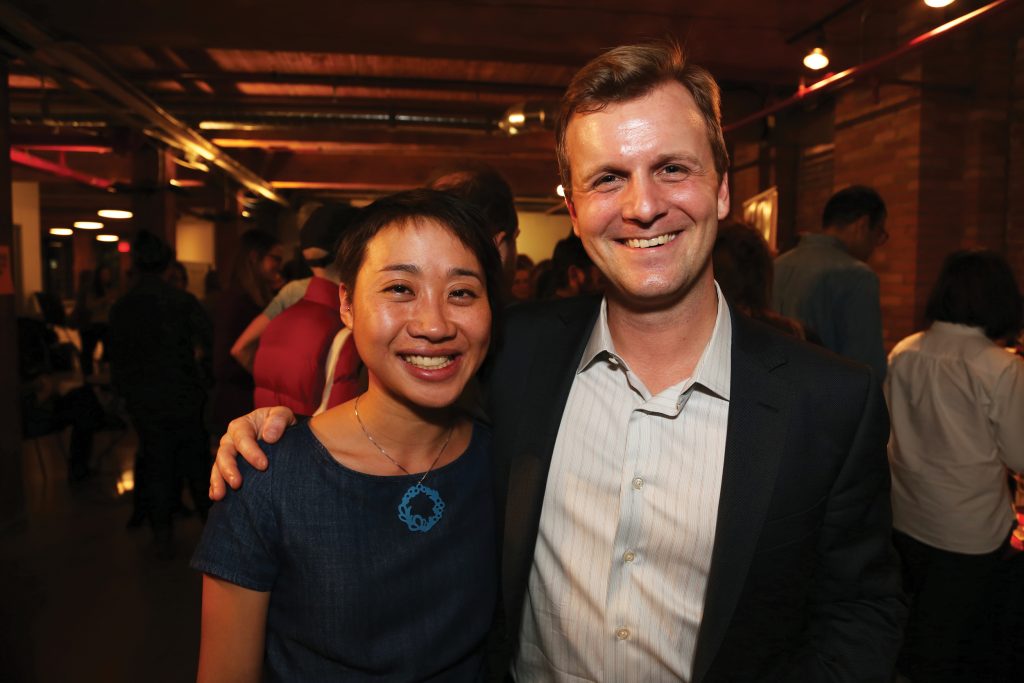
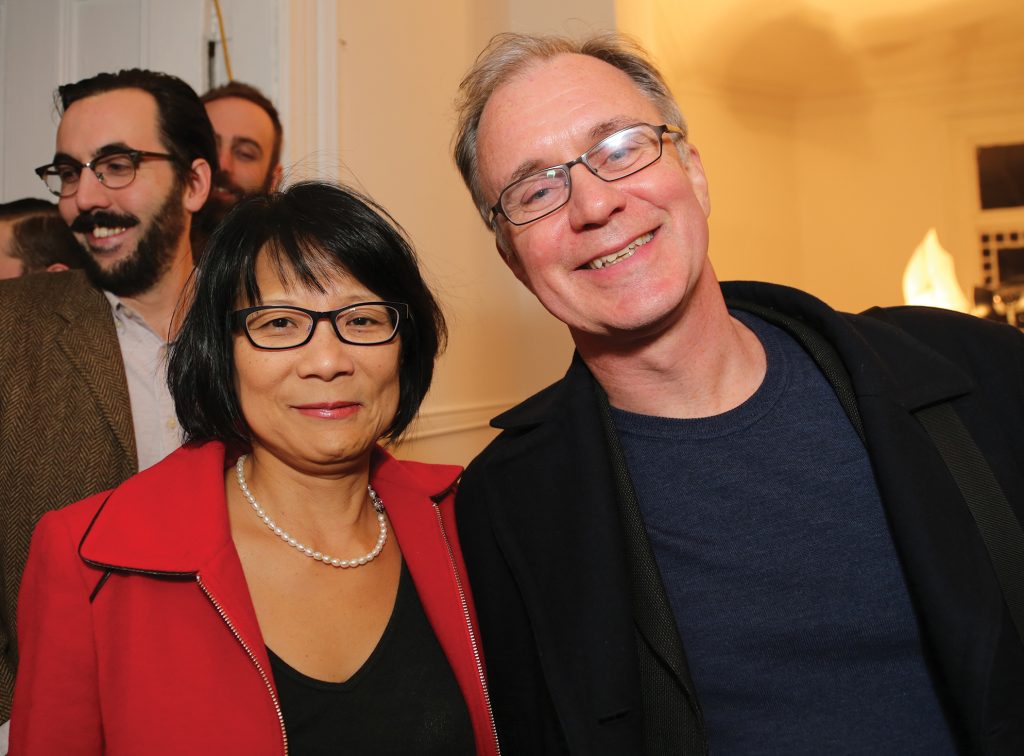
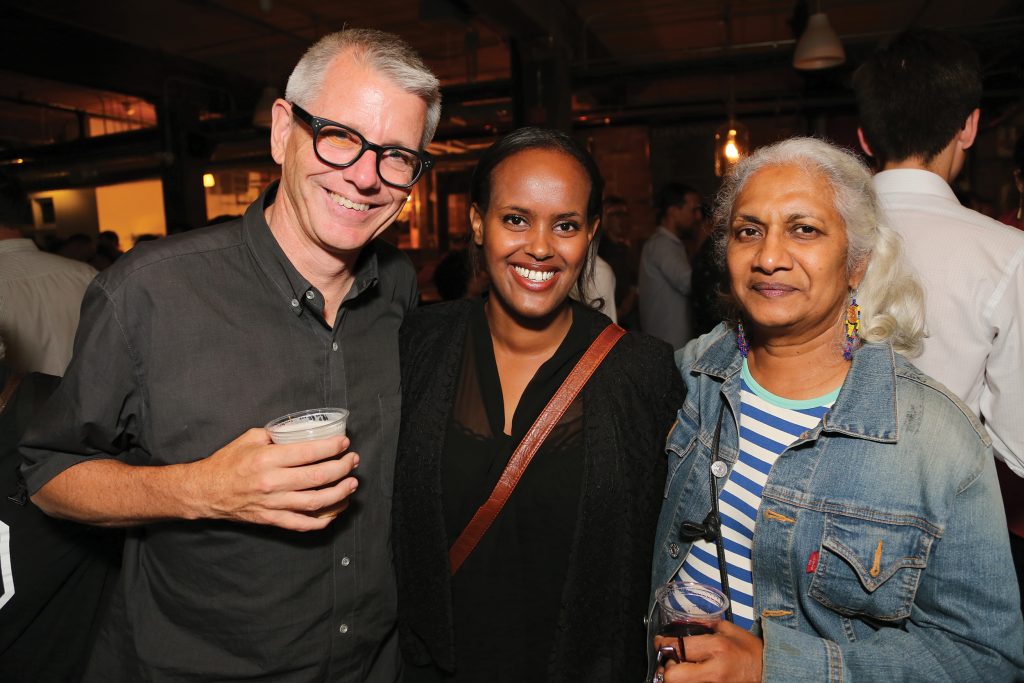
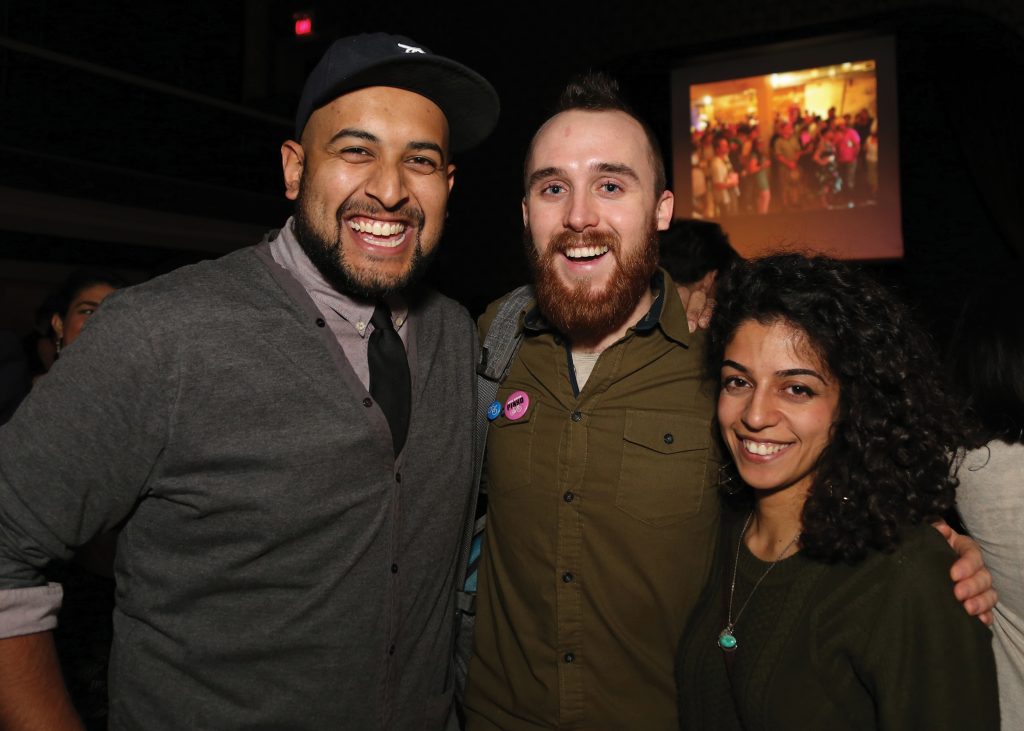
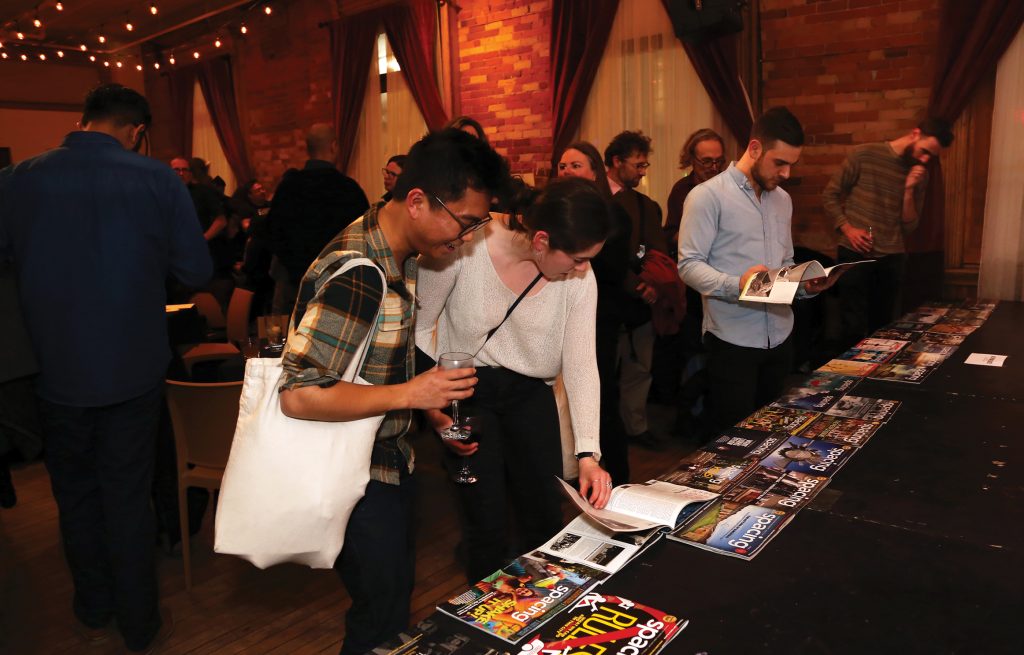
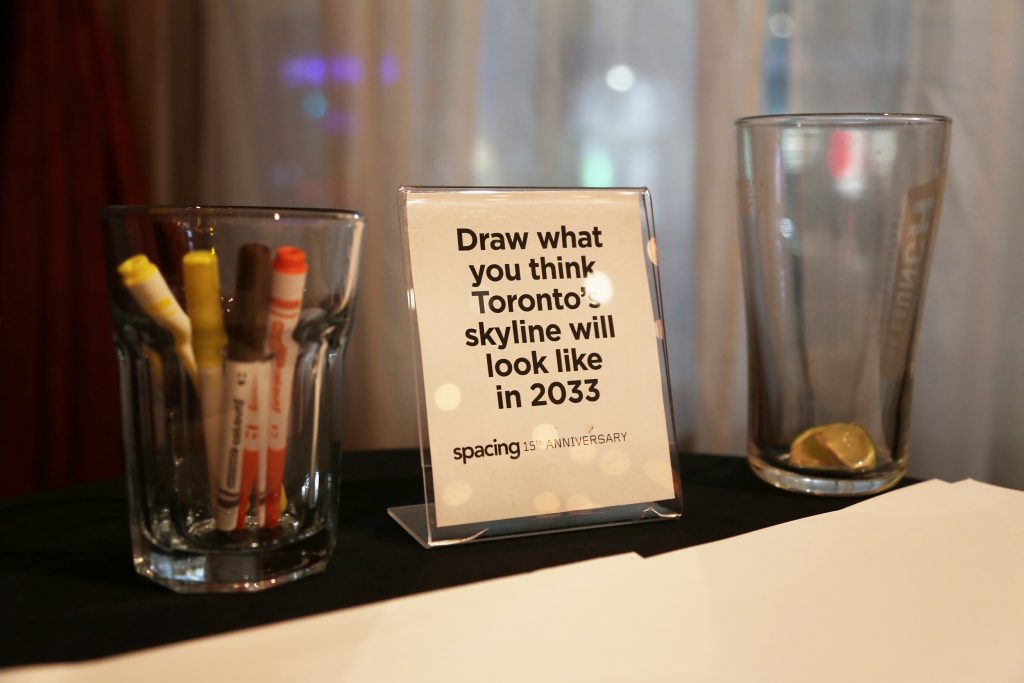
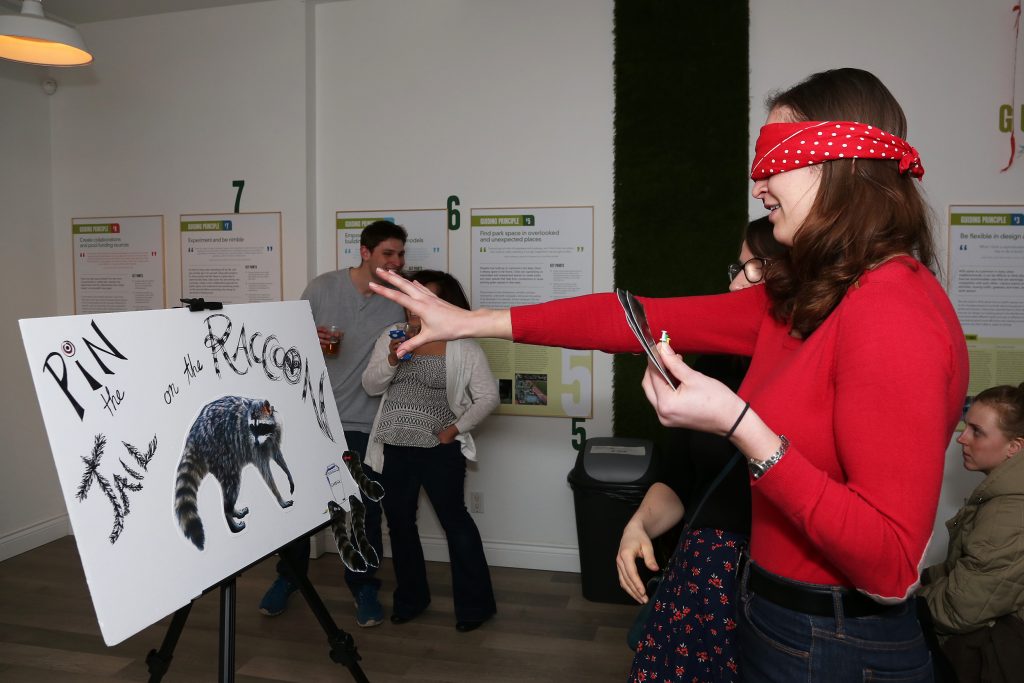
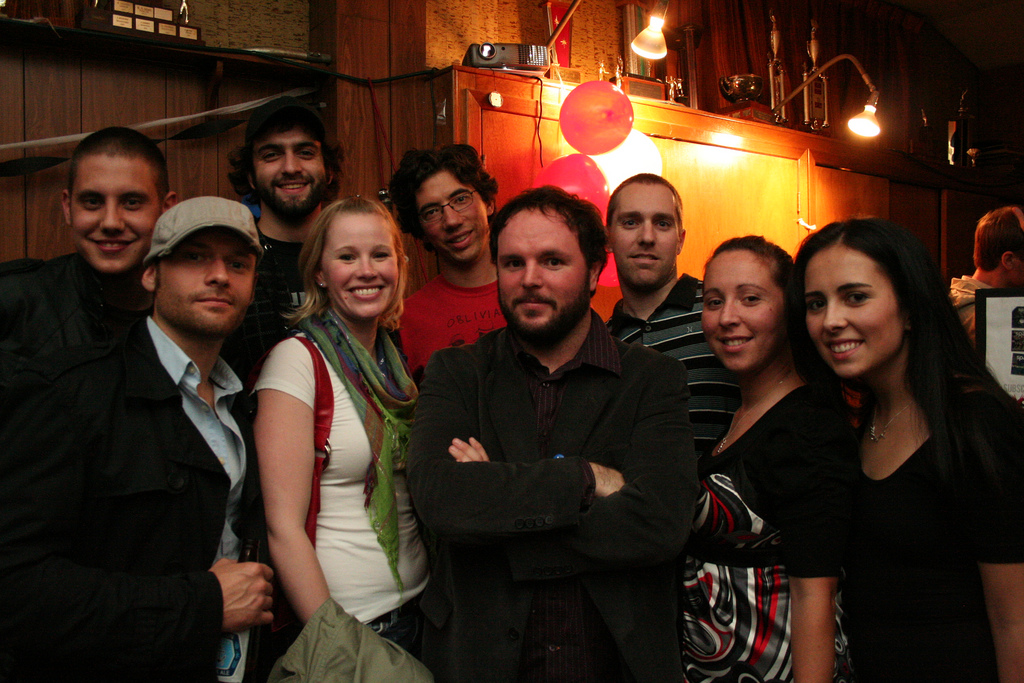
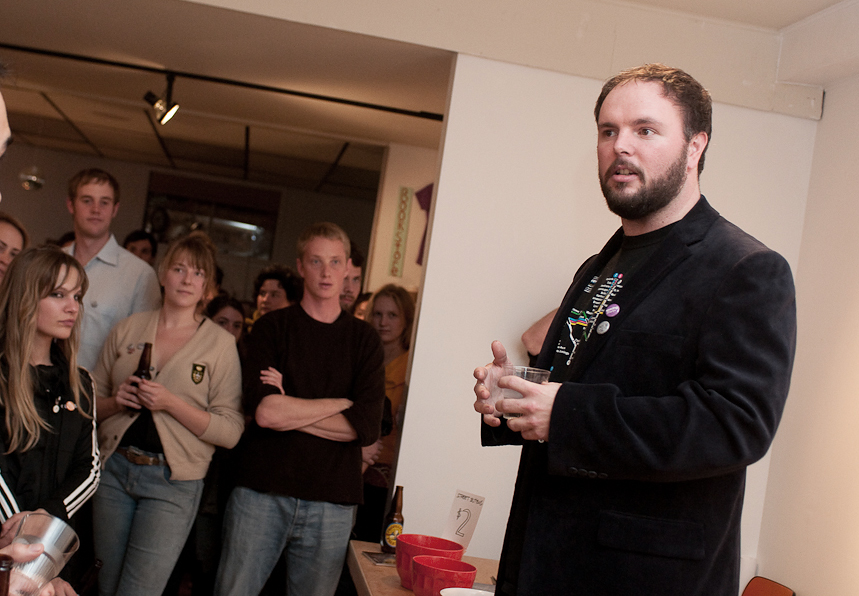
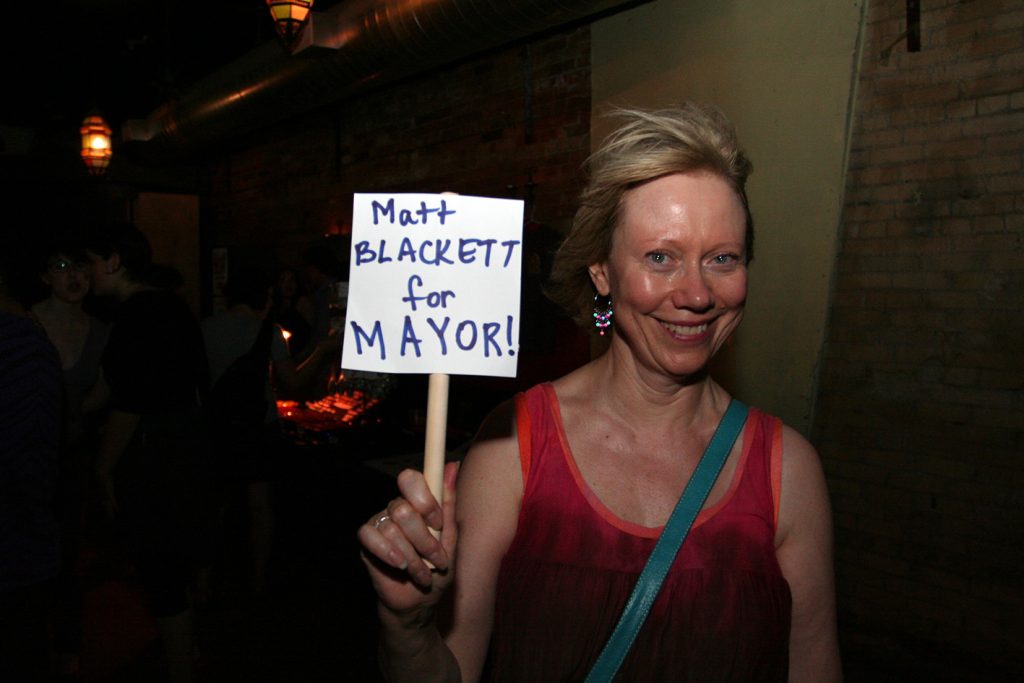
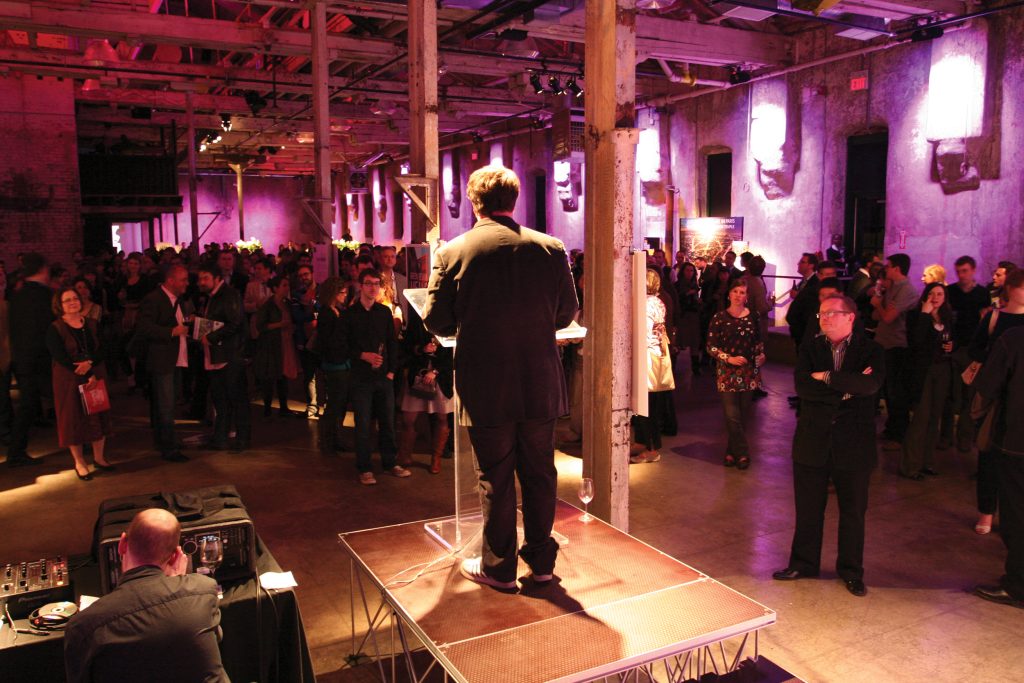
Spacing initially distinguished itself in the magazine world by being a prolific host of events. The magazine throws a release party for launch of each issue. These events gather hundreds of readers that creates a regular space for local urbanists to mingle and share ideas. These events often attracted politicians and staff from City Hall, including mayors (except for Rob Ford).
below: Photos from Spacing release parties over the years

OTHER UNIQUE EVENTS
As Spacing moved forward, it expanded into other types of events including photo exhibits, mayoral debates, a cross-country promotional tour, and three-day road trips to Detroit and Pittsburgh, to name a few.
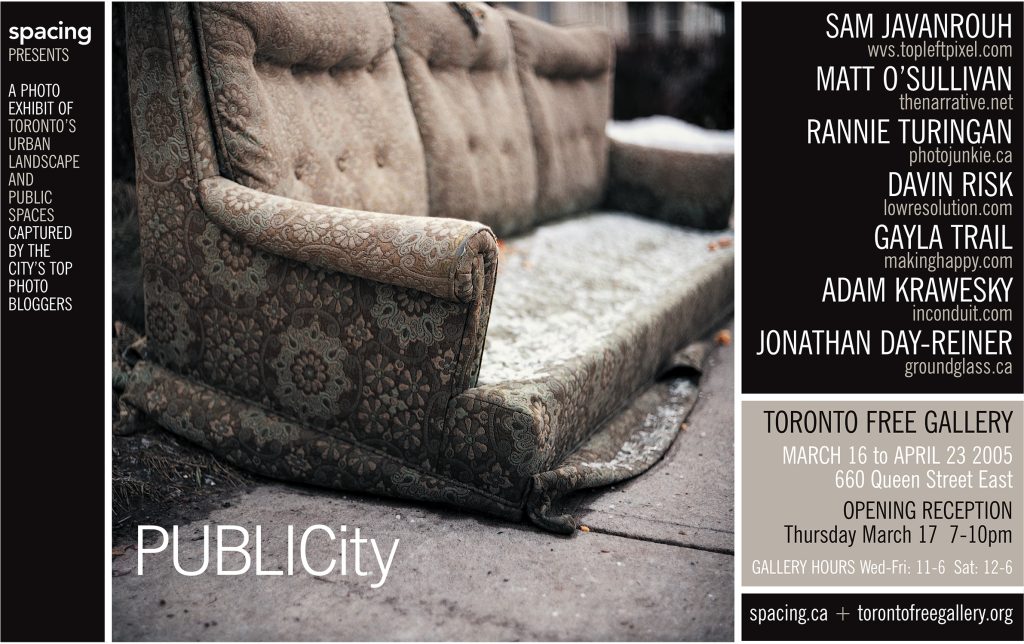
The early 2000s saw an explosion in the popularity of photoblogs. Amateur street photographers in Toronto shared their experiences of walking through and observing the city. Amazingly, Toronto became a hotbed of photoblogging, with a number of local shutterbugs gaining international attention. Spacing used these photobloggers to help give a visual narrative to the magazine. In 2005, Spacing decided to take the digital photos off the screen and put them up on to the walls of the Toronto Free Gallery. PUBLICity was the first photo exhibition in Canada to showcase photobloggers.
Film Nights
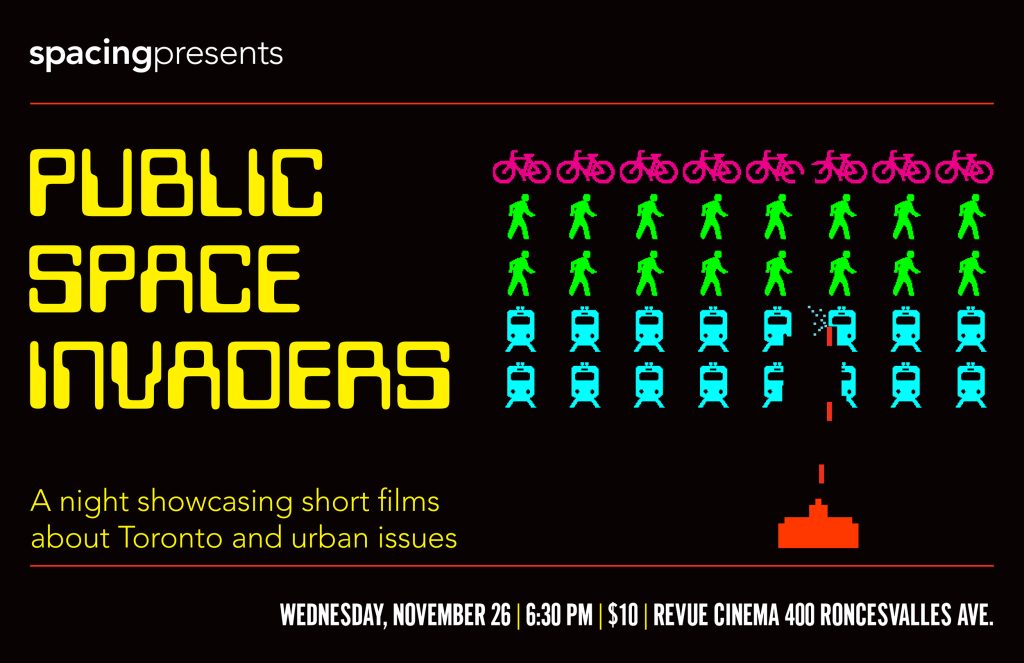
From 2005 to 2007, Spacing hosted an annual amateur filmmaker night called Public Space Invaders at the Drake Hotel Underground, with another at the Revue Cinema in 2014. On each night, 200+ people showed up to watch short films, anywhere from 1 to 10 minutes in length, that were independently made by local filmmakers celebrating and critiquing the city.
Mayors Debate
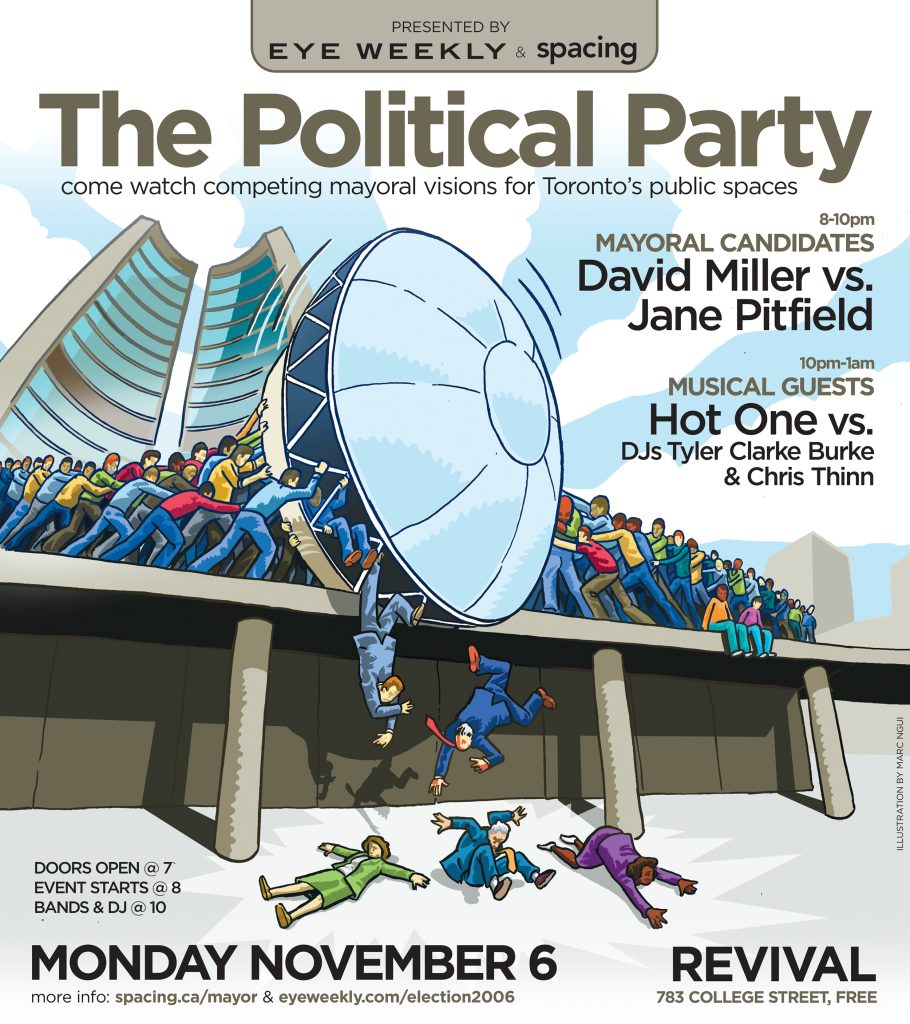
The Political Party, held at Revival on College Street in Little Italy, was a pseudo-mayoral debate during the 2006 election, where challenger Jane Pitfield and incumbent David Miller faced questions from a panel of Spacing and Eye Weekly editors and contributors. Over 300 people packed into the venue.
Lawn Bowling Nights
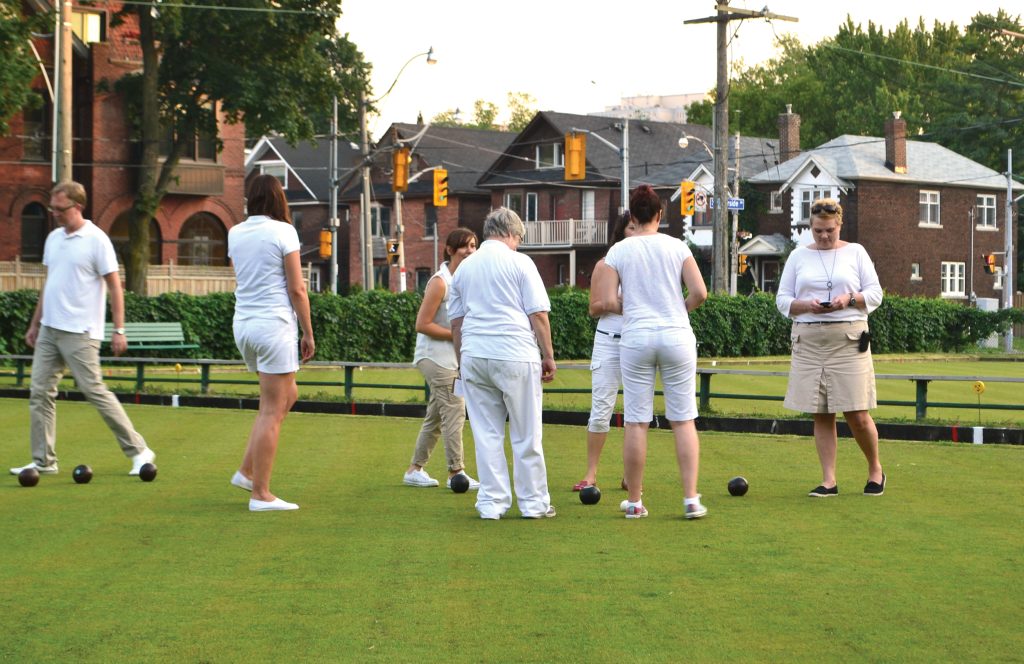
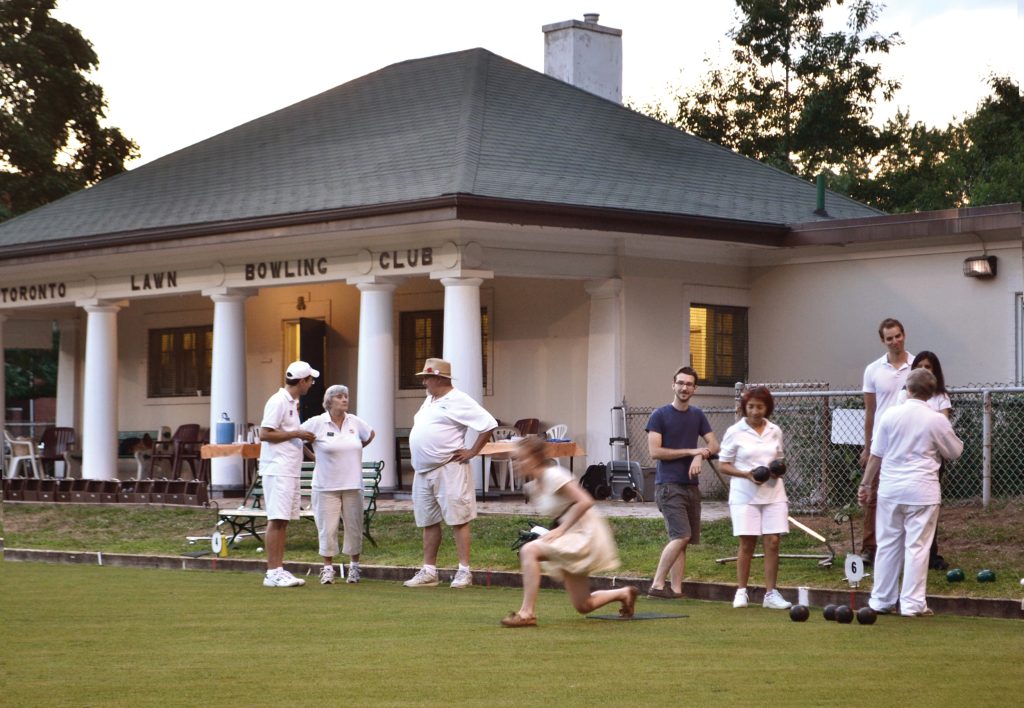
In 2013 and ’14, Spacing decided to help attract new and young members to the city’s lawn bowling clubs, which were witnessing a dwindling number of
participants. The Royal Spacing Lawn Bowling Society of Toronto was created and hosted multiple events over the next two summers at the West Toronto Lawn Bowling Club
on Keele just south of Annette, attracting up to 30 people on each occasion.

Urbanism Road Trips
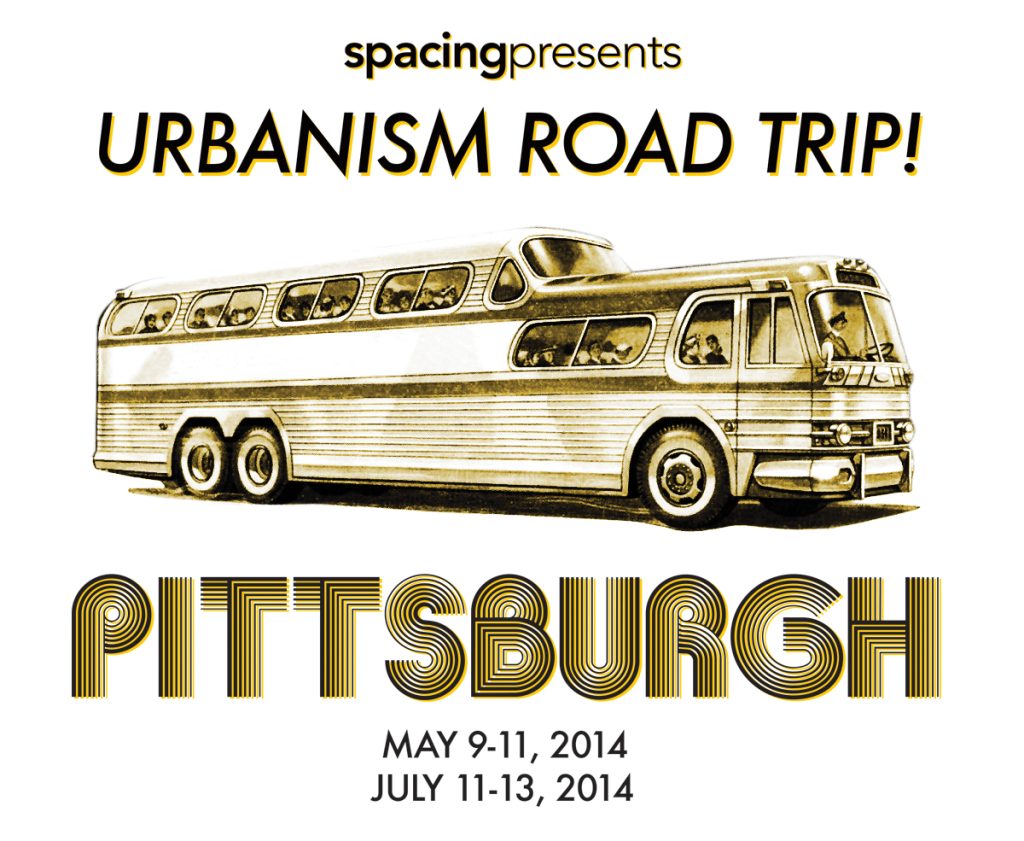
As part of Spacing’s 10th anniversary celebrations in 2013, the magazine invited readers to join other curious urbanists on a 2-day road trip to the Motor City. The trips involved around 50 participants and were repeated three times in 2014, including a three-day tour of Pittsburgh.
For the first road trip, Spacing teamed up with ERA Architects and the Detroit Creative Corridor Centre, which took attendees on a series of dynamic urbanism tours over the course of a weekend that opened their eyes to all of the positive changes that were under way. The trip’s itinerary included: a bike tour through the neighbourhoods of Lafayette Park, Eastern Market, Brush Park, Cultural District, Wayne State, and Midtown; an architecture walking tour through downtown focused on skyscrapers, parks, and urban design; a private tour of the Heidelberg Project and an exclusive talk with the artist Tyree Guyton; a look at Earthworks, a social justice and community farming project run by the Capuchin Soup Kitchen; and a drive out to the neighbourhoods of Belle Isle, Indian Village, and Grosse Pointe for a short walking tour. Tour attendees stayed at the Detroit Marriott Renaissance Center on the waterfront.
Merchandise & Store
The most important business decision Spacing ever made, outside of launching the magazine, was to lean into the production and sales of merchandise. Instead of plastering the magazine’s logo on a variety of cheap products, Spacing decided to focus on Toronto-centric merchandise, taking inspiration from everyday civic objects like street signs, public art, and subway stations. In the fall of 2004, Spacing launched a series of one-inch buttons that replicated the wall design of every subway station in the city. Within two months of going on sale, over 30,000 buttons were sold. For the next two years, revenue from button sales outpaced both advertising and subscription sales combined. The popularity of the subway buttons — over 1 million sold to date — helped inspire other local artists and designers to independently create their own merchandise, celebrating the city, it’s neighbourhoods, and iconography.
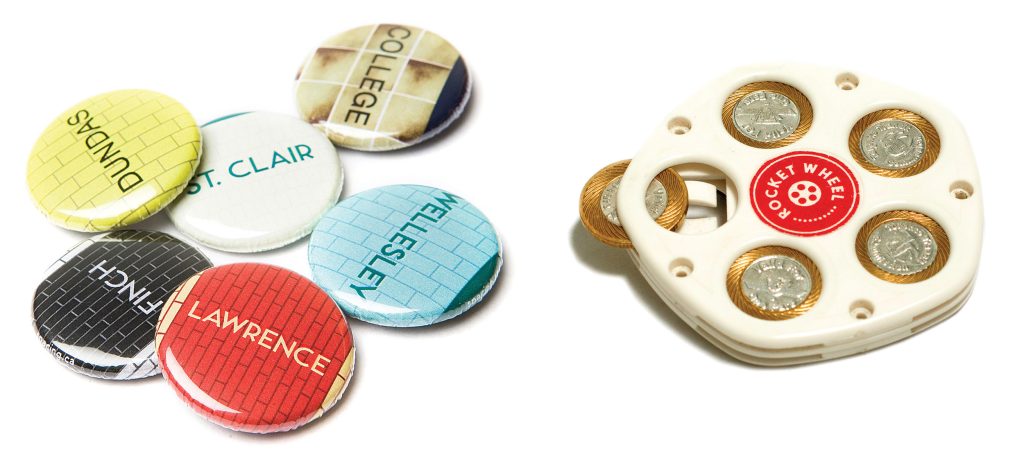
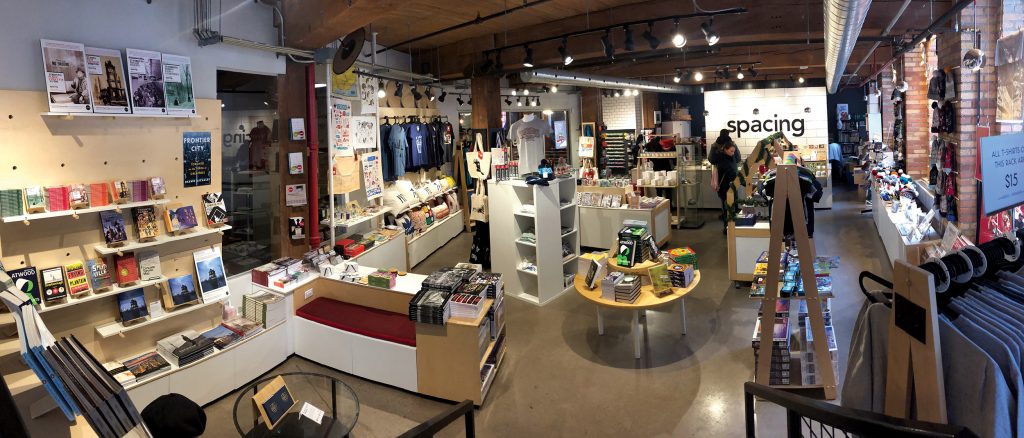
The success of the subway buttons allowed Spacing to explore selling other merchandise items through its website, like the Rocket Wheel, Metro Magnets, and the Bike Riding Pinko button series. The success of the online store prompted a search for a brick-and-mortar shop. In November 2014, the Spacing Store opened at 401 Richmond. As well as showcasing Spacing’s own merchandise and publications, the store provides an opportunity to feature Toronto-centric creations by other local artists and other books about the city and urbanism.
Books
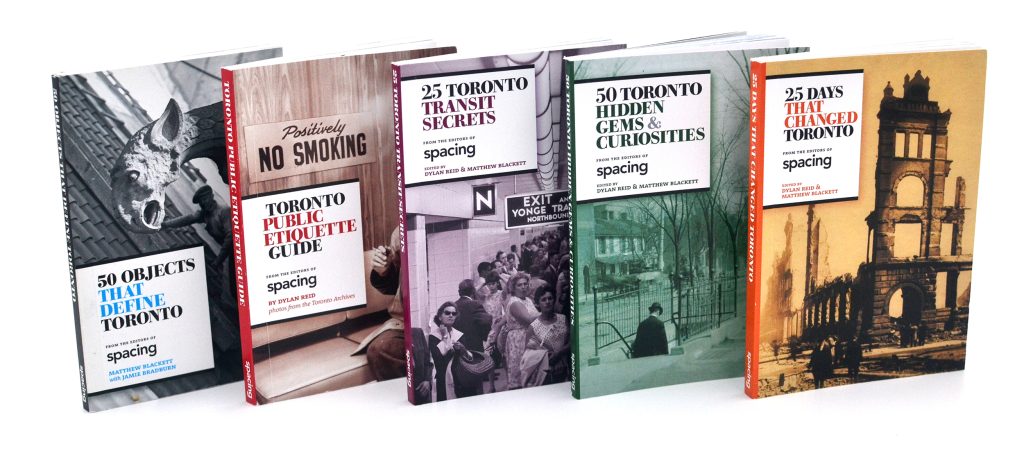
Starting in 2015, with the release of 50 Objects That Define Toronto, Spacing released its first book series to complement the quarterly magazine. Matthew’s aim for Spacing Books was to provide both visitors and residents of Toronto with a deeper understanding of the city’s rich history because local stories and narratives are often overlooked to the detriment of the city’s collective cultural heritage. Matthew has conceived and conceptualized all of Spacing’s books as well as acting as the author, editor, photographer, and/or art director for each title.